
Inside America’s Culture War: How Socialism, Media Bias, and Immigration Shape the Political Divide
Unpacking the forces tearing America apart and the fight for its future

America today stands at a crossroads, divided by forces that challenge its foundational ideals and test the resilience of its democracy. From the creeping influence of socialism to the pervasive bias and censorship in media; from the heated debates over immigration and national identity to the economic struggles of the working class, the nation grapples with questions that define its very soul.
One of the pivotal shifts in recent decades has been the gradual rise of socialist ideas within American politics. Far from a sudden phenomenon, socialism's roots trace back to the New Left movements of the 1960s, which planted seeds of collectivist thinking among youth and academia. This ideological evolution has gained momentum, influencing policy debates and electoral strategies, especially within the Democratic Party. However, these ideas often clash with America’s traditional emphasis on individualism and free enterprise, sparking fierce debates about the nation’s economic direction.
Parallel to ideological shifts is the critical role media plays in shaping public perception. The landscape of news and social platforms is fraught with bias, selective reporting, and subtle censorship tactics like shadow banning, which disproportionately affect conservative voices. This media environment not only filters information but also molds narratives that deepen political polarization and erode trust in institutions.
Social justice movements and identity politics add another layer of complexity. While advocating for equity and recognition, these movements sometimes foster division through heightened sensitivities and confrontational activism. Concepts like microaggressions and groups such as Antifa highlight the tensions between free speech and social accountability, challenging the boundaries of acceptable discourse.
Immigration remains one of the most emotionally charged issues, balancing compassion with law and order. Sanctuary cities, border security, and the distinction between legal and illegal immigration fuel ongoing debates about who belongs and under what terms. These discussions are not merely political but touch on the cultural fabric and future identity of the nation.
The economic dimension is equally vital. The decline of manufacturing, factory closures, and job outsourcing have devastated working-class communities, leading to economic anxiety and political realignment. Union leadership struggles and the resilience of workers underscore the human cost and the enduring hope embodied in the American dream.
Political campaigns bring these abstract issues to life through personal stories of courage, sacrifice, and strategy. The pressures of public scrutiny, the power of social media, and the emotional toll on families reveal the human face of political battles.
Finally, understanding the opposition’s vision, particularly the progressive left’s embrace of socialism and environmental reforms like the Green New Deal, is essential for informed engagement. These ideological battles shape policies, party realignments, and the broader narrative of America’s future.
Looking ahead, the blog reflects on the enduring American values of hard work, family, and rule of law as the foundation for renewal and unity. Despite challenges, history shows America’s capacity for resilience and reinvention, inspiring hope for a future where diverse voices can coexist within a shared commitment to freedom and opportunity.
By exploring these interconnected themes, readers gain a nuanced understanding of America’s current political and cultural divides, the forces driving them, and the paths toward healing and progress.
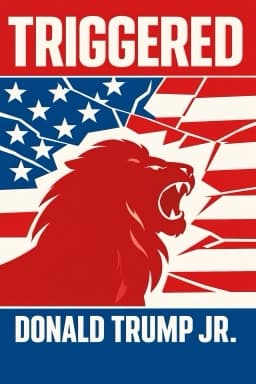
Sources include Donald Trump Jr.'s
Want to explore more insights from this book?
Read the full book summary