
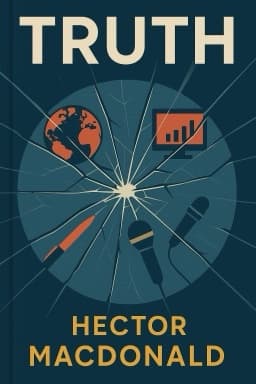
Competing Truths and the Battle for Reality: How Power Shapes What We Believe
Unveil the forces behind conflicting truths in society and learn how to navigate the battlefield of ideas.

In today's complex society, truth is not a single, uncontested entity. Instead, multiple competing truths vie for acceptance, shaping politics, media narratives, and cultural identities. This blog delves into the dynamics of these competing truths and the power structures that influence their dominance.
Multiple Truths in Public Discourse
Different groups present varied, sometimes contradictory, perspectives on the same facts. For example, political debates often feature opposing narratives that highlight different aspects of an issue, each supported by truthful facts yet framed to support divergent conclusions. Media outlets may amplify specific viewpoints, contributing to societal polarization.
The Role of Power in Shaping Truth
Those who control communication channels—media ownership, education systems, political institutions—play a significant role in determining which truths gain prominence. This control can marginalize alternative voices and shape collective memory and identity, influencing societal beliefs and actions.
Navigating the Battlefield of Ideas
Recognizing the existence of competing truths and the influence of power helps us develop critical thinking and empathy. It encourages dialogue across divides and promotes a more nuanced understanding of complex social realities, essential for fostering social cohesion and democratic engagement.
By engaging thoughtfully with competing truths, we contribute to a more informed and resilient society capable of addressing its challenges constructively.
Sources: Princeton University Press on truth and democracy 1 , How Communication Works blog on media influence 2
Want to explore more insights from this book?
Read the full book summary