
Kindness is the New Currency: How Compassion Wins in the Age of Disruption
Why Soft Skills Outperform Hard Numbers in the Modern Workplace

Why Soft Skills Outperform Hard Numbers in the Modern Workplace
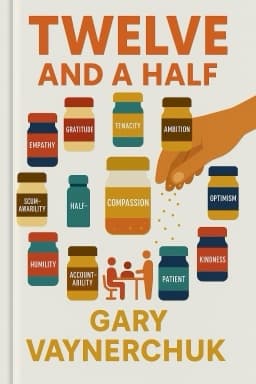
It’s tempting to think that business is all about numbers—sales, market share, quarterly growth. But in Gary Vaynerchuk’s 'Twelve and a Half', we learn that the companies and leaders who thrive are those who invest in something far less tangible: kindness. In a world where talent is mobile, customers have endless choices, and change is the only constant, soft skills have become the real competitive advantage.
Research shows that teams led by compassionate leaders are more innovative, more loyal, and less likely to burn out. When people feel seen and valued, they go the extra mile—not because they have to, but because they want to. Vaynerchuk shares stories of businesses that turned around simply by listening to employees, practicing empathy, and making kindness a core value. One company reduced turnover by 40% after implementing regular 'gratitude sessions' and encouraging open feedback.
But kindness isn’t just about being nice. It’s about holding people accountable with respect, giving honest feedback with empathy, and building a culture of trust. This is what Vaynerchuk calls 'kind candor'—the ability to be direct without being harsh. Leaders who master this skill not only resolve conflicts faster, but also foster an environment where creativity and risk-taking are encouraged.
The data is clear: soft skills drive hard results. Companies that score high on emotional intelligence metrics consistently outperform their peers in profitability, customer satisfaction, and employee engagement. And as automation and AI reshape the workforce, it’s these uniquely human qualities that will set you—and your business—apart.
So, if you want to future-proof your career or your company, start by investing in kindness. It’s the currency of the new economy—and it’s worth more than gold. 3 4
Want to explore more insights from this book?
Read the full book summary