
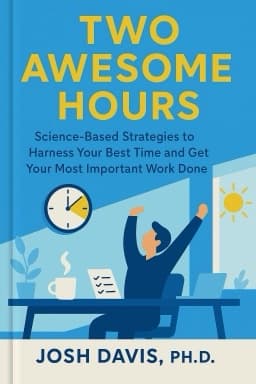
How to Outsmart Your Brain’s Limits: The Neuroscience of Getting More Done in Less Time
Harnessing your biology for peak performance—no superhuman willpower required.

Why Your Brain Gets Tired—And What To Do About It
Ever notice how your mind feels sharp in the morning but foggy by late afternoon? That’s not laziness—it’s biology. Every decision, from what to eat to how to reply to an email, uses up mental energy. This is called decision fatigue, and it’s why your willpower fades as the day goes on. The solution isn’t to push through, but to plan your most important work for your brain’s energy peaks.
The Science of Distraction: Friend or Foe?
Distraction is not a sign of weakness—your brain evolved to notice novelty. Instead of fighting distractions, structure your environment to remove predictable interruptions. But when your mind drifts, let it. Mind wandering during simple tasks gives your brain a chance to connect ideas and solve problems creatively.
Emotions: Not Obstacles, But Tools
Feelings like anxiety, anger, or happiness aren’t just distractions; they can be harnessed for specific tasks. Anxiety sharpens your focus for high-stakes work, happiness boosts creativity, and even mild frustration can fuel problem-solving. By tuning into your emotional state, you can match your mood to your tasks for better outcomes.
Body and Brain: The Productivity Partnership
Physical activity, nutrition, and hydration are not just health tips—they’re productivity tools. A brisk walk, a healthy snack, or a glass of water can reset your brain and restore your focus for hours. Even mild dehydration impairs memory and attention, so keep water at your side.
From Science to Strategy: Building Your Awesome Hours
The key to peak productivity is not working harder, but smarter. By understanding your brain’s natural rhythms and limitations, you can design a workday that feels easier and delivers better results. Start with one small change—like pausing at a decision point or taking a short walk before a big task—and watch as your productivity and satisfaction soar. 3 2 1
Want to explore more insights from this book?
Read the full book summary