
The Real Cost of Convenience: How Ultra-Processed Food Shapes Our Society and Planet
From Food Deserts to Biodiversity Loss: The Hidden Impact of What We Eat

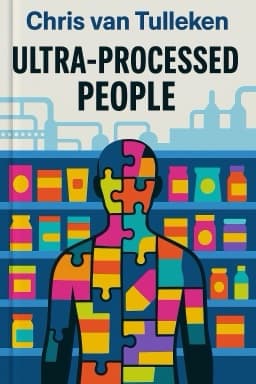
Ultra-processed food isn’t just a personal health issue—it’s a societal and environmental crisis. Chris van Tulleken’s Ultra-Processed People uncovers how the rise of UPF has transformed not only our bodies, but also our communities and the planet itself.
In cities around the world, the cheapest, most accessible foods are often the most processed. For families struggling with high housing and transport costs, UPF offers calories and convenience at a low price. But this comes at a hidden cost: higher rates of obesity, diabetes, and heart disease among the poorest communities. Healthy eating becomes a privilege, not a right, deepening social divides.
Meanwhile, traditional food cultures are under siege. As global food brands expand, local recipes and communal meals are replaced by packaged snacks and ready meals. The result is a loss of cultural diversity and a weakening of the bonds that once united families and neighborhoods.
The environmental toll is just as severe. The industrial food system that supports UPF is a top driver of greenhouse gas emissions, deforestation, and biodiversity loss. Monoculture crops replace rainforests, factory farms pollute rivers, and mountains of plastic packaging clog our oceans. Every packet of crisps or soda carries a hidden environmental footprint.
Yet, there is hope. Around the world, communities are fighting back—reviving lost food traditions, supporting farmers’ markets, and demanding policy changes. Countries that have introduced clear labeling, advertising restrictions, and taxes on UPF have seen real improvements in public health. The future of food is not just about what we eat, but how we live together on this planet.
Join the movement for real food and a healthier world. Your choices matter—not just for your own well-being, but for society and the earth we share.
Want to explore more insights from this book?
Read the full book summary