
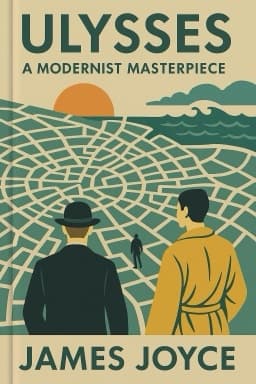
The Hidden Layers of Ulysses: Myth, Identity, and the Irish Soul
Discover how Joyce interlaces ancient myths with Irish identity to craft a profound cultural critique.

Discover how Joyce interlaces ancient myths with Irish identity to craft a profound cultural critique.
At first glance, Ulysses appears a sprawling narrative of a single day in Dublin. Yet beneath its surface lies a profound engagement with myth and identity. Drawing on Homer’s Odyssey, Joyce parallels the wanderings of Odysseus with the urban journey of Leopold Bloom, transforming ancient epic into modern consciousness.
Myth as Order and Irony
Myth functions as a framework to impose order on the chaos of modern life but is deployed with irony and self-awareness. This duality invites readers to question traditional narratives and consider the multiplicity of meanings in identity and history.
Irish Identity and Nationalism
The novel critiques the cult of heroic nationalism prevalent in early 20th-century Ireland. Through satire and character interactions, it exposes the limitations and dangers of rigid national myths, advocating for a more inclusive and flexible cultural identity.
Gender Fluidity as Liberation
Leopold Bloom’s androgyny symbolizes a break from restrictive gender norms, reflecting broader themes of self-invention and liberation from colonial and cultural constraints.
Dialogue with Irish Literary Tradition
Joyce’s work converses with Irish writers like Yeats and Synge, reshaping their themes and pushing cultural boundaries. This dialogue enriches the novel’s depth and political resonance.
Ultimately, Ulysses offers a layered meditation on identity, myth, and freedom, challenging readers to embrace complexity and ambiguity in both personal and national narratives.