
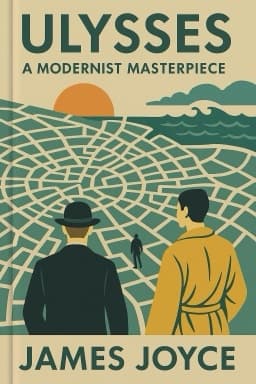
Why James Joyce’s Ulysses is the Ultimate Mind-Bending Modern Epic You Can’t Ignore
Dive deep into the revolutionary narrative, mythic layers, and linguistic genius that make Ulysses a timeless masterpiece.

Dive deep into the revolutionary narrative, mythic layers, and linguistic genius that make Ulysses a timeless masterpiece.
When James Joyce published Ulysses in the early 20th century, he wasn’t just writing a novel; he was reinventing what a novel could be. Unlike traditional epics that celebrate gods and warriors, Ulysses finds its hero in Leopold Bloom, an ordinary man navigating the streets of Dublin on a single day. This radical shift from mythic grandeur to the everyday transformed literature forever.
The Modern Epic Reimagined
The novel’s structure mirrors Homer’s Odyssey, but instead of distant seas and battles, it unfolds in the mundane details of life—breakfast preparations, public toilets, and casual conversations. This juxtaposition of the epic and the ordinary challenges readers to find heroism in endurance, empathy, and the small acts that define our humanity.
Language as a Living Symphony
Joyce’s linguistic innovation is staggering. The novel employs stream of consciousness and interior monologues to immerse readers in the characters’ minds, capturing the chaotic, fragmented nature of thought. One chapter even parodies the evolution of English prose styles, from Anglo-Saxon to Victorian to modern idioms, showcasing the malleability and richness of language itself.
Myth Meets Modernity
By weaving Homeric episodes into the fabric of Dublin life, Joyce creates a meta-narrative about storytelling and identity. Myth becomes a tool to impose order on chaos but is also treated with irony and self-awareness, inviting readers to question the authority of grand narratives and embrace multiplicity.
Gender Fluidity and Identity Liberation
Leopold Bloom’s androgynous qualities challenge rigid gender norms, reflecting a nuanced view of identity that was ahead of its time. This theme resonates with Ireland’s literary tradition and offers a hopeful vision of transformation and self-invention.
Political and Cultural Critique
The novel satirizes nationalist myths and militaristic heroism, exposing their limitations and advocating for a more inclusive cultural identity. It dialogues with Irish literary giants, reshaping narratives of nationhood and freedom.
The Struggle Against Censorship
Ulysses faced bans and manuscript burnings, highlighting its controversial nature and the societal challenges it posed. This history adds to its mystique and underscores the transformative power of literature.
Enduring Legacy
Today, Ulysses continues to inspire writers and readers worldwide. Bloomsday celebrations keep its spirit vibrant, inviting all to retrace Leopold Bloom’s footsteps and explore the depths of human consciousness and culture.
In sum, Ulysses is not just a book but a living conversation about life, identity, language, and freedom. Its complexity can be daunting, but its rewards are profound, offering a mirror to our own multifaceted humanity. Embrace the challenge, and you may find a new way to see the world and yourself.