
How the #MeToo Movement Changed the World: The Power of Empathy and Courage
Explore the transformative impact of the #MeToo movement and the human qualities that drive it.

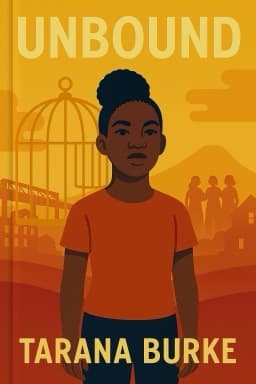
The #MeToo movement stands as a monumental shift in how society confronts sexual violence. At its heart lies empathy—the ability to connect deeply with others' pain—and courage—the bravery to speak out despite fear and stigma. Tarana Burke’s vision was to create a space where survivors could find both, transforming isolation into empowerment.
Initially a grassroots effort focused on marginalized communities, the movement emphasized healing through shared stories and cultural rituals. Youth leadership programs provided safe spaces for expression and political education, fostering a new generation of activists grounded in cultural pride and social justice.
The viral moment when #MeToo swept social media brought visibility and urgency to the issue but also introduced challenges. The movement grappled with maintaining its foundational goals amid celebrity endorsements and media attention. Importantly, it spotlighted disparities in how survivors of different races and classes are treated, revealing systemic biases that continue to demand attention.
Empathy connects survivors, validating their experiences and reducing isolation, while courage enables them to break silence and inspire others. These qualities have fueled a movement that transcends hashtags, becoming a living force for change. The narrative underscores that healing and activism are intertwined, personal and political.
As the movement evolves, sustaining its impact requires adaptability, community engagement, and inclusive leadership. The ongoing work involves addressing internal conflicts and ensuring that all voices, especially those historically marginalized, are heard and valued.
Sources: Goodreads insights on the Me Too effect 2 , Book Riot's coverage of Me Too literature 1 , Boston Public Library's recommended readings on the movement 3 .
Want to explore more insights from this book?
Read the full book summary