
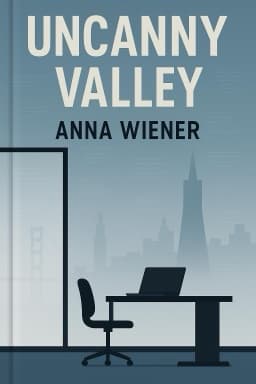
When Tech Invades the City: How Startups Reshaped San Francisco’s Soul
A revealing look at the cultural and social upheavals triggered by the tech boom in one of America’s most iconic cities.

San Francisco’s streets tell a story of transformation—one where Victorian houses stand in stark contrast to gleaming tech campuses, and where the hum of innovation mingles uneasily with the cries of displacement. Anna Wiener’s Uncanny Valley offers a window into this complex urban metamorphosis.
The tech boom brought unprecedented wealth, but also gentrification that pushed long-term residents to the margins. Rent control policies, originally designed to protect vulnerable populations, sometimes shielded affluent tech employees, creating social tensions and debates about fairness.
Cultural landmarks—galleries, music venues, community centers—struggled to survive amid rising rents and shifting demographics. The city’s character, once defined by its diversity and creativity, faced dilution as economic stratification deepened.
Yet, the city’s contradictions also reveal resilience. Unlikely juxtapositions—a bodega selling single cigarettes beneath an anarchistic hacker space—embody the ongoing negotiation between old and new. These intersections highlight the challenges and possibilities of urban life in a tech-saturated era.
Wiener’s observations compel us to consider the broader implications of technological progress on communities and culture. They remind us that cities are living organisms, shaped by economic forces but animated by human stories and struggles.
As we reflect on this transformation, it becomes clear that sustainable urban futures require balancing innovation with inclusivity and respect for history.
Explore further to understand how these urban dynamics intersect with workplace culture and personal identity in Silicon Valley.
Sources: 1 , 3 , 4
Want to explore more insights from this book?
Read the full book summary