
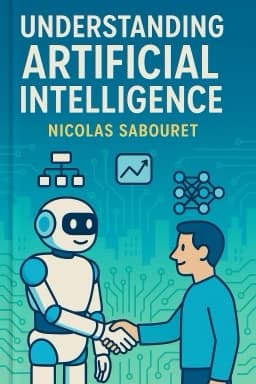
5 Surprising Ways Artificial Intelligence Is Already Changing Your Life (And You Don’t Even Know It!)
Discover the Hidden AI Forces Shaping Your Everyday Experiences

Introduction
Imagine waking up to the gentle buzz of your smartphone alarm, perfectly timed to your sleep cycle, followed by a playlist that seems to know your morning mood. As you sip your coffee, your news feed curates stories just for you, and traffic alerts reroute you around jams before you even hit the road. This isn’t magic—it’s artificial intelligence at work, quietly orchestrating the rhythm of your day. In this blog, inspired by Nicolas Sabouret’s Understanding Artificial Intelligence and the latest research, we’ll uncover the hidden ways AI is already shaping your world, often without you realizing it.
1. The Invisible Chef: Algorithms as Everyday Recipes
AI algorithms operate much like the recipes you follow in your kitchen. They take data—the raw ingredients of your digital life—and combine them using step-by-step instructions. Whether it’s your streaming service recommending the next binge-worthy show or your email app filtering out spam, these algorithmic chefs are tirelessly working behind the scenes. Their secret? They learn from your choices, adapting their recipes to better suit your tastes over time.
2. Navigating the Maze: How AI Gets You from A to B
Ever wondered how your navigation app finds the fastest route through rush-hour chaos? AI-powered pathfinding algorithms, inspired by the way ants find food, analyze millions of possible paths and use clever shortcuts—heuristics—to get you to your destination quickly. These digital navigators balance speed and accuracy, learning from real-time traffic data and the collective experience of other drivers.
3. Social Media’s Secret Curator
From your favorite memes to news headlines, AI curates your social media feeds with uncanny precision. By analyzing your clicks, likes, and even the time you linger on a post, algorithms build a digital portrait of your interests. But beware: this personalization can create echo chambers, subtly shaping your worldview. The same technology that brings you relevant content can also reinforce biases and polarize opinions.
4. Shopping with Smart Assistants
Online shopping has become a seamless experience thanks to AI-powered recommendation engines. These systems analyze your browsing and purchase history, compare it to millions of other shoppers, and suggest products you’re likely to love. Sometimes, they even predict your needs before you know them yourself. But behind this convenience lies a complex web of data collection and privacy concerns—reminding us that AI’s helpfulness comes with trade-offs.
5. The Limits and Wonders of AI
Despite its many marvels, AI has its limits. Some problems are so complex that even the fastest computers can’t solve them perfectly, forcing engineers to settle for “good enough” solutions. Yet, these imperfections are what make AI so adaptable and useful. As Sabouret notes, AI’s true strength lies not in replacing human intelligence but in augmenting it—helping us see patterns, solve problems, and make better decisions.
Conclusion: Embracing the AI Age
Artificial intelligence is all around us, shaping our lives in ways both subtle and profound. By understanding how these invisible algorithms work, we can harness their power while remaining mindful of their limitations and ethical implications. The future belongs not to machines alone, but to the partnership between human curiosity and artificial intelligence—a partnership that promises to make our world more connected, creative, and compassionate.
Ready to explore more? Dive into the next blog in this series for a deeper look at the ethics and mysteries of AI!
Want to explore more insights from this book?
Read the full book summary