
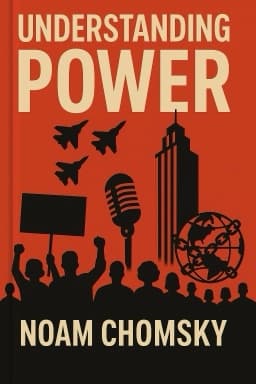
Why War Pays: The Military-Industrial Complex and Its Grip on the Economy
Discover how military spending fuels economic growth and perpetuates conflict.

War and economy are often seen as separate realms, but they are deeply intertwined. The military-industrial complex is not simply about defense; it is a powerful economic engine that sustains industries, profits, and social control.
After World War II, military spending was central to rebuilding the industrial capacities of Europe and Japan, creating markets for American exports and sustaining domestic industries. This pattern established a permanent war economy in which conflict preparation became a means of economic stability.
Decisions about arms buildups and diplomatic policies were often driven by economic interests rather than purely security concerns. Maintaining corporate profitability and employment became priorities, influencing the timing and scale of military engagements.
This economic dynamic also supports social control through militarization of police and repression of dissent, linking economic priorities with political stability. The result is a society where economic growth for a privileged few is maintained through continuous investment in instruments of violence.
Recognizing this relationship is crucial for activists and policymakers seeking to redirect resources toward human needs. It challenges us to question the normalization of perpetual conflict and to envision alternatives that prioritize peace and social justice.
References: Economic analyses, Chomsky’s lectures in Understanding Power, historical studies 2 , 4
Want to explore more insights from this book?
Read the full book summary