
Beyond Discipline: How Collaborative Problem-Solving Builds Stronger Families
Transform Power Struggles Into Teamwork With Parental Intelligence

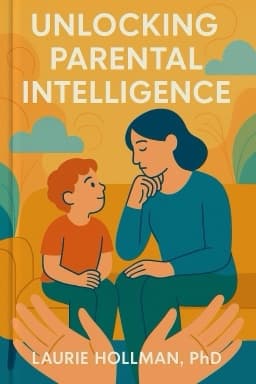
Traditional discipline often pits parents against children in a battle of wills. But what if you could work together instead? Laurie Hollman’s Parental Intelligence introduces collaborative problem-solving—a method that transforms everyday conflicts into opportunities for teamwork and growth.
The Power of Working Together
When children are part of the solution, they are more invested in making it work. Collaborative problem-solving starts with open dialogue: 'What’s making bedtime so hard?' or 'How can we make homework less stressful?' Parents and children share their perspectives, brainstorm ideas, and agree on a plan.
From Conflict to Cooperation
In one real-life example, a family struggling with morning chaos invited their children to help design a new routine. The result? Fewer fights, more laughter, and a sense of shared responsibility. This approach teaches kids important life skills: negotiation, empathy, and perseverance.
Practical Steps
- Invite your child to share their side of the story.
- Listen without judgment; validate their feelings.
- Brainstorm solutions together—write down every idea, no matter how silly.
- Agree on a plan and check in regularly to see how it’s working.
Why It Works
Collaborative problem-solving builds trust and respect. Children learn that their opinions matter, and parents learn new ways to connect. Over time, families become more resilient, adaptable, and harmonious.
Conclusion
Discipline doesn’t have to mean punishment. With Parental Intelligence, every challenge is a chance to build stronger, more connected families.
Want to explore more insights from this book?
Read the full book summary