
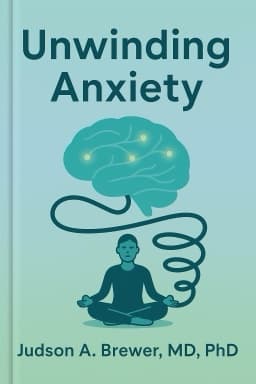
Why Willpower Fails and Mindfulness Wins: Lessons from 'Unwinding Anxiety'
Explore why relying on willpower is a recipe for frustration and how mindfulness rewires your brain for lasting change.

Have you ever tried to stop a habit or manage anxiety by sheer willpower, only to find yourself slipping back into old patterns? Judson A. Brewer explains that willpower is a limited resource, especially vulnerable under stress. The prefrontal cortex, responsible for self-control, can shut down in challenging moments, leaving older brain circuits to drive automatic behaviors.
Substitution strategies, like replacing smoking with candy or scrolling through social media instead of worrying, may provide temporary relief but often leave the underlying craving intact. This means the habit loop remains unbroken, increasing the risk of relapse.
Mindfulness offers a different, more effective approach. By cultivating awareness and curiosity about your thoughts, feelings, and bodily sensations, you interrupt the autopilot mode. Instead of reacting automatically, mindfulness invites you to observe without judgment, creating space for new choices.
Techniques like RAIN (Recognize, Allow, Investigate, Note) guide you through acknowledging difficult emotions with kindness, reducing reactivity and anxiety. Loving kindness meditation further nurtures compassion, countering self-criticism that often accompanies anxiety.
Research and Brewer’s clinical experience show that mindfulness rewires the brain’s reward system, reducing cravings and strengthening self-regulation. This approach builds sustainable resilience, empowering you to face anxiety and habits with confidence rather than struggle.
For those seeking to understand the science behind these insights and practical applications, detailed reviews and summaries of Unwinding Anxiety provide valuable perspectives and encouragement. Brewer’s work stands out for combining rigorous neuroscience with accessible mindfulness tools, making it a must-read for anyone on the path to mental wellness. 1 2 4
Want to explore more insights from this book?
Read the full book summary