
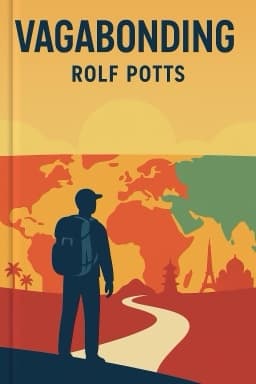
How Vagabonding Can Change Your Life: The Surprising Truth About Time, Freedom, and Travel
Unlocking the Secret to True Wealth and Adventure

Imagine waking up tomorrow and realizing that your life’s true currency isn’t money, but time. This is the radical premise at the heart of Rolf Potts’ Vagabonding, a book that has inspired countless people to rethink what it means to live well. In a world obsessed with accumulation and status, Potts invites us to consider a different path—one where adventure, learning, and connection matter more than possessions. He shares stories of teachers, waiters, and even single parents who, through careful planning and a willingness to let go, have found ways to travel for months or years at a time. The book argues that long-term travel is not the privilege of the rich, but the reward of those who are willing to simplify, save, and prioritize their dreams. Potts offers practical steps: start by reducing your expenses and possessions, then slowly build a travel fund. He shows how to find work abroad, from teaching English to harvesting crops, and how to use online resources to connect with fellow travelers and locals. The book is filled with examples of people who found joy in the ordinary—sharing meals with strangers, getting lost in new cities, and learning new languages. Potts emphasizes that the best adventures aren’t always planned; they happen when you’re open to the unknown. The philosophy of vagabonding isn’t just for the road—it’s a mindset that encourages lifelong curiosity, resilience, and gratitude.
By the end of the book, readers are challenged to bring the spirit of vagabonding home—to see their own neighborhoods with fresh eyes, to value time with friends and family, and to keep asking, ‘What really matters to me?’ Whether you set off for a year-long adventure or simply make small changes to live more intentionally, the lessons of Vagabonding can help you reclaim your freedom and rediscover the joy of living.
Want to explore more insights from this book?
Read the full book summary