
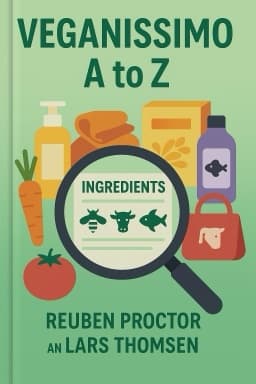
Unmasking the Hidden Animal Ingredients in Your Everyday Products: What You Need to Know NOW!
Discover the surprising animal-derived ingredients lurking in your food, cosmetics, and household items — and how to avoid them.

Have you ever paused to think about what's really inside the products you use daily? From the gummy candies you enjoy to the lotion you apply every morning, animal-derived ingredients are more common than you might imagine. These ingredients are frequently hidden behind scientific names or E-numbers, making it challenging to identify them, especially if you follow a vegan or cruelty-free lifestyle.
Take gelatin, for example, a common ingredient in sweets, capsules, and cosmetics. It is often labeled as E441 or hydrolyzed collagen, masking its origin from animal bones and skin. Similarly, lanolin, a waxy substance derived from sheep's wool, is used in many moisturizers but rarely clearly labeled. Even sugar, a staple in many households, may be refined using bone char, an animal-derived substance that whitens sugar.
Animal products don't stop at food and cosmetics. Brushes made with badger or horse hair, leather accessories, and even household cleaners may contain animal derivatives. This pervasiveness makes vigilance essential for those aiming to avoid animal exploitation.
Understanding labeling is crucial. E-numbers like E120 (carmine dye from cochineal insects) and E904 (shellac from lac bugs) are just a few examples of animal-derived additives. Cosmetic ingredient names such as hydrolyzed keratin or lanolin alcohol also indicate animal origins. However, labeling laws vary worldwide, sometimes allowing vague terms like 'natural flavors' or 'enzymes' to conceal animal sources.
Fortunately, vegan alternatives abound. Agar, a seaweed extract, replaces gelatin in many products. Plant-based waxes like carnauba and candelilla substitute for beeswax. Microbial fermentation produces collagen and enzymes identical to animal-derived ones without animal use. These innovations enable compassionate consumption without sacrificing quality.
Ethical consumerism wields immense power. Growing demand for cruelty-free and vegan products encourages companies to innovate and improve transparency. This shift not only benefits animals but also reduces environmental impacts, as animal agriculture contributes significantly to greenhouse gas emissions and resource depletion.
Even pharmaceuticals and supplements may contain animal-derived ingredients such as gelatin capsules or fish oils. Thankfully, plant-based and synthetic alternatives are increasingly available, reflecting progress driven by informed consumers.
By educating ourselves and making mindful choices, we contribute to a more compassionate and sustainable world. Knowledge is the first step, and compassion is the path forward.
For more detailed information on animal ingredients and their alternatives, see resources like Caring Consumer's Ingredient Fact Sheet, I Am Going Vegan's ethical consumerism articles, and academic insights on veganism ethics. 1 2 3
Want to explore more insights from this book?
Read the full book summary