
Why Your Favorite Products Might Not Be as Vegan as You Think — And How to Fix That!
Uncover the truth about animal ingredients in cosmetics and household goods, and learn practical tips for conscious consumerism.

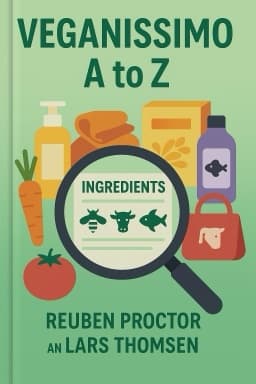
It's easy to assume that a product labeled 'vegan' or 'cruelty-free' is free from animal-derived ingredients, but the reality is often more complex. Many cosmetics and household products contain ingredients like lanolin, beeswax, or animal glue, which may not be clearly disclosed.
Lanolin, sourced from sheep's wool, is common in moisturizers and lip balms. Beeswax and its derivatives appear in candles and polishes. Animal glue, made from collagen, is used in woodworking and bookbinding. Bone char, derived from animal bones, is utilized in sugar refining and bone china porcelain production.
These ingredients raise ethical concerns for vegans and environmentally conscious consumers. Animal agriculture is a major contributor to environmental degradation, including deforestation, greenhouse gas emissions, and water pollution.
To navigate this landscape, consumers should learn to decode labels, research brands, and prioritize products certified by trusted vegan and cruelty-free organizations. Supporting companies that innovate with plant-based and synthetic alternatives helps shift the market toward sustainability and compassion.
Consumer advocacy has already led to stricter labeling laws and greater transparency, but ongoing vigilance is necessary.
For more insights, see resources like I Am Going Vegan's ethical consumerism guides and Cornell's blogs on conscious consumerism. 2 4
Want to explore more insights from this book?
Read the full book summary