
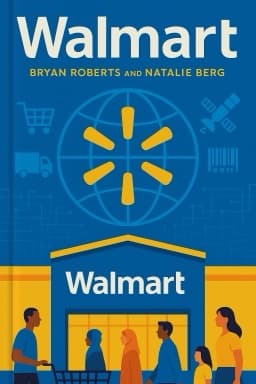
From Aisles to Algorithms: Walmart’s Multi-Channel Retail Revolution
How Walmart blends physical stores and digital innovation to redefine shopping convenience.

Retail today is no longer confined to physical aisles or online clicks alone; it is a seamless blend of both. Walmart’s multi-channel retail strategy exemplifies this transformation, combining its traditional Supercenters with innovative small-format stores and a growing digital footprint.
Recognizing the diverse needs of urban consumers and convenience seekers, Walmart launched smaller formats like Walmart Express and Neighborhood Markets. These stores cater to shoppers looking for quick trips, fresh food, and essentials in dense city environments.
Parallel to physical innovation is Walmart’s aggressive push into e-commerce and mobile commerce. Investments in online grocery ordering, curbside pickup, and home delivery have accelerated, especially in response to changing shopping habits accelerated by the pandemic. Walmart’s mobile apps and social media engagement create personalized and interactive shopping experiences.
Competing with digital natives like Amazon requires Walmart to leverage its unique strengths: a vast network of physical stores, sophisticated supply chains, and trusted brand recognition. This omnichannel approach enables Walmart to offer convenience, competitive pricing, and broad assortment across channels.
Challenges remain, including integrating inventory systems, managing logistics, and meeting high customer expectations. However, Walmart’s continued innovation and scale position it well to shape the future of retail, where convenience and customer experience reign supreme.
Sources: Walmart corporate news, StrategyJourney.com, ChainDrugReview 1 2 3
Want to explore more insights from this book?
Read the full book summary