
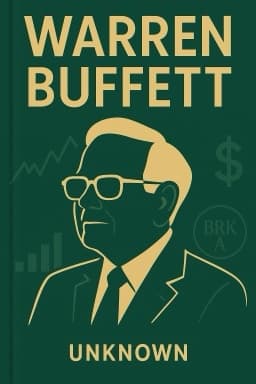
Why Everyone’s Talking About Buffett’s Secret Formula — And How You Can Use It Today
Uncover the hidden gems of Buffett’s investment strategy that the pros don’t want you to know.

Warren Buffett’s name is often whispered with reverence in investment circles, but what exactly is his secret? Beyond the headlines and staggering net worth lies a straightforward philosophy rooted in patience, integrity, and a deep understanding of value.
Buffett’s investment creed is shaped by four guiding principles: seek companies with durable competitive advantages, buy them at prices below intrinsic value, demand high returns on invested capital, and invest only in businesses led by trustworthy managers. This framework, influenced by legendary investors before him, is as much about character as it is about numbers.
One of the most powerful lessons from Buffett’s journey is the importance of mentorship. Learning from pioneers who emphasized margin of safety and management quality helped him craft a balanced approach that minimizes risk while maximizing potential.
Strategically, Buffett transformed a failing textile company into a diversified investment powerhouse, demonstrating the value of vision and patience. His portfolio includes iconic brands like Coca-Cola and Wells Fargo, acquired well before their rise, underscoring the power of early, informed investment decisions. Understanding the nuances between mutual funds and hedge funds further clarifies why he favors stability and long-term growth over risky speculation.
Risk management is a recurring theme. Buffett’s careful structuring of stock classes and avoidance of stock splits maintain control and minimize volatility. The 2008 financial crisis serves as a cautionary tale about the dangers of excessive leverage and emotional decision-making.
Buffett’s motivational sayings offer timeless wisdom: protect your reputation, learn from mistakes, and simplify decision-making. His advice to say no to almost everything emphasizes focus and discipline—qualities that extend beyond investing into all areas of life.
Market downturns, often viewed with fear, are reframed as opportunities for those willing to act with calm and conviction. Buying undervalued assets during recessions requires courage but offers outsized rewards when the market recovers.
Confidence and decisiveness are critical. Hesitation can lead to missed opportunities and magnified losses, while rational, timely decisions protect capital and position investors for growth. Accepting market unpredictability fosters flexible strategies that adapt to changing conditions.
Ultimately, Buffett’s legacy is one of lifelong learning and adaptability. Staying informed about global economic trends and continuously improving financial literacy empower investors to make smart, independent choices.
By embracing Buffett’s principles, investors can cultivate patience, integrity, and resilience, paving the way for financial independence and lasting wealth.
Sources: Investopedia’s overview of Buffett’s strategy [[0]](#__0), academic insights from SFU [[1]](#__1), Harvard Business Review’s reflections [[2]](#__2), and modern blog interpretations [[3]](#__3).
Want to explore more insights from this book?
Read the full book summary