
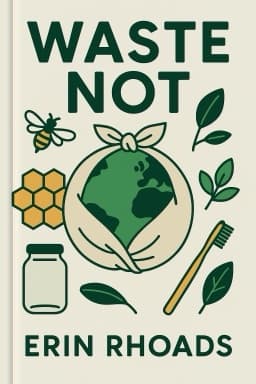
Why Your Trash Tells a Story: Unmasking the Hidden Costs of Waste and How You Can Fight Back
Discover the unseen consequences of everyday waste and learn how small changes can create big environmental ripples.

Imagine walking through a dense forest where every fallen leaf nourishes the soil, every creature plays a role, and nothing is wasted. This natural cycle is a masterpiece of sustainability. Yet, in our human world, we live in stark contrast — producing mountains of waste that pollute oceans, landfills, and even the air we breathe.
Australia, for example, ranks as the second-largest producer of waste per capita globally, highlighting how even countries rich in natural beauty struggle with consumption patterns. Consider plastic, which never truly biodegrades and accumulates in ecosystems, breaking down into microplastics that infiltrate the food chain. Every single piece of plastic ever produced still exists today, a haunting testament to our throwaway culture.
Food waste adds another layer of complexity. When discarded in landfills, food scraps produce methane — a greenhouse gas 84 times more potent than carbon dioxide. This silent contributor accelerates climate change, yet it is often overlooked.
Understanding these hidden impacts is crucial. Waste is a symptom of a linear system where resources are extracted, used briefly, and discarded. The alternative is a circular economy, where products are designed to last, be reused, and reintegrated into the environment harmlessly.
Starting the journey towards waste reduction begins with awareness and small, intentional choices. Refusing single-use plastics, using reusable bags and bottles, and composting food scraps are powerful first steps. These actions, though seemingly minor, accumulate to create significant change.
By recognizing waste as a design flaw, we empower ourselves to demand better systems and make mindful choices. The path ahead is one of hope, healing, and collective action.
Ready to take the next step? Let’s explore practical tools and habits that help reduce waste in everyday life.
Sources: 1 , 2
Want to explore more insights from this book?
Read the full book summary