
The Hidden Climate Culprit: Why Animal Agriculture Matters More Than You Think
Uncovering the overlooked climate villain hiding on your plate.

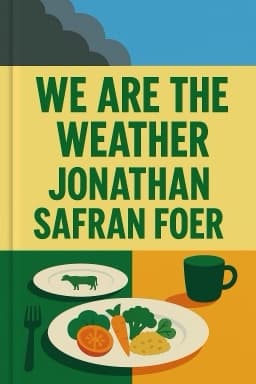
When most people think of climate change, they picture smokestacks, tailpipes, and oil rigs. But as Jonathan Safran Foer reveals in We Are the Weather, there’s another culprit hiding in plain sight: animal agriculture. The livestock sector produces more greenhouse gases than all cars, planes, and trains combined, yet it is rarely discussed in mainstream climate debates.
Why is this? Foer points to a combination of cultural habits, industry lobbying, and the deeply personal nature of food. Changing how we eat feels invasive, even threatening. Yet, the numbers are clear: methane from cattle, deforestation for feed crops, and the water and energy required for meat and dairy all add up to a massive environmental footprint.
Foer argues that the most strategic place to start is with breakfast and lunch. These meals account for the bulk of animal product consumption in Western diets. By shifting toward plant-based options—oats instead of eggs, beans instead of bacon—we can collectively drive down emissions. The impact is exponential when adopted by millions.
The blog also addresses the common pushback: isn’t this just a drop in the bucket? Foer’s answer is that collective action has always been the engine of social change. No one person can solve the climate crisis, but the sum of many small actions can tip the scales. The real enemy is not imperfection, but inaction.
Foer’s call to action is not about guilt or purity, but participation. He urges readers to see dietary change as an act of hope and solidarity, not sacrifice. By making the invisible visible, we can transform not just our plates, but our future.
Want to explore more insights from this book?
Read the full book summary