
From TED Talk to Pop Culture Icon: The Journey of 'We Should All Be Feminists'
How a single speech became a global movement, inspiring music, education, and activism.

In 2012, Chimamanda Ngozi Adichie stepped onto a stage in London and delivered a TEDx talk that would change the conversation about feminism forever. With warmth, wit, and unflinching honesty, she shared her experiences as a Nigerian woman navigating the expectations of gender. The talk quickly went viral, reaching millions and sparking debates across continents.
From Speech to Book
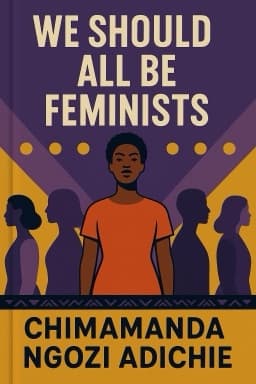
The overwhelming response to the talk led to the publication of 'We Should All Be Feminists' as a book. Its concise, conversational style made it accessible to readers of all ages and backgrounds. The essay distilled complex ideas into relatable stories, inviting everyone to reconsider what it means to be a feminist. Schools added it to their reading lists, and it became a must-read for anyone interested in social change. 1
Feminism Goes Mainstream
Perhaps the most high-profile endorsement came when Beyoncé sampled Adichie’s words in her hit song 'Flawless.' Suddenly, millions who might never have picked up the book were hearing its message on the radio and in clubs. The phrase 'We Should All Be Feminists' appeared on T-shirts, posters, and social media, turning a literary manifesto into a pop culture catchphrase.
Changing Classrooms and Policies
The essay’s influence extends far beyond music. Educators around the world use it to spark conversations about gender, identity, and power. In Sweden, every 16-year-old received a copy as part of a national initiative to promote equality. Policymakers and activists cite the book in debates about everything from workplace discrimination to domestic violence, proving that literature can shape laws as well as minds. 2
Art, Activism, and Everyday Life
Artists, playwrights, and filmmakers have drawn inspiration from Adichie’s words, creating works that explore the nuances of gender and culture. Activists use the book as a toolkit for organizing and advocacy, while ordinary readers find in it the courage to speak up and challenge injustice. The phrase 'We Should All Be Feminists' has become a shorthand for a global movement—a reminder that the work of equality belongs to everyone.
Legacy and Looking Forward
As we look to the future, the journey of 'We Should All Be Feminists' shows that a single voice, speaking truth with compassion, can change the world. Adichie’s message continues to inspire new generations to question, to dream, and to act. Whether in classrooms, on the radio, or in the streets, her words remind us that feminism is not a trend, but a movement—one that is still growing, evolving, and making history. 3
Want to explore more insights from this book?
Read the full book summary