
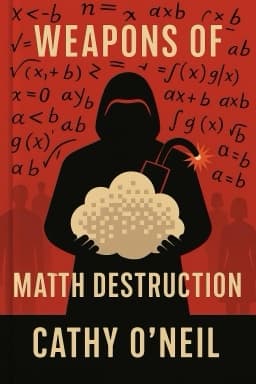
Can We Trust Algorithms? The Eye-Opening Lessons from ‘Weapons of Math Destruction’
Why blind faith in algorithms is dangerous and how transparency can restore trust.

Algorithms are often portrayed as impartial judges, free from human bias. But Cathy O’Neil’s Weapons of Math Destruction shatters this myth, exposing how opacity and secrecy in algorithmic models foster unfairness and injustice.
Most algorithms used in high-stakes decisions are protected as trade secrets. Companies argue this is necessary to protect intellectual property, but this secrecy comes at a cost. Without transparency, it is impossible to detect biases, errors, or discriminatory effects. Affected individuals have no right to explanation or appeal, creating a profound power imbalance.
Fortunately, academic researchers and nonprofits have pioneered algorithmic auditing techniques that can detect bias without access to proprietary code. Simultaneously, courts and regulators are increasingly demanding transparency, especially in areas like criminal sentencing and credit decisions.
As public awareness grows, so does the demand for open, explainable, and ethical algorithms. Restoring trust requires not blind faith but informed vigilance and a commitment to transparency.
This blog explores why trusting algorithms blindly is dangerous and how transparency initiatives can help build a fairer digital future.
Sources: Scholarly Kitchen review, Amazon book overview, Columbia University critique, University of Washington insights 1 2 3 4
Want to explore more insights from this book?
Read the full book summary