
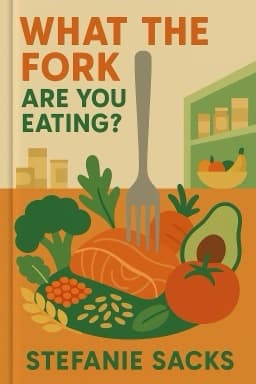
The Food CIA Exposed: How Artificial Flavors and Colors Hijack Your Taste Buds and Health
Discover the secret world of artificial flavors and dyes and their impact on your body and mind.

Behind the delicious taste and vibrant colors of many processed foods lies a secretive world often referred to as the 'Food CIA'—a small group of flavor companies engineering artificial and natural flavors in laboratories. These flavors are complex chemical mixtures designed to mimic and enhance tastes lost during food processing, but at what cost?
One startling fact is that artificial vanilla flavor, or vanillin, can be chemically extracted from cow manure. This challenges the notion of 'natural' and highlights the opaque nature of flavor production. Chemically, natural and artificial flavors are remarkably similar; the main difference lies in the source of chemicals rather than their composition, making many label claims misleading.
Artificial colors, derived from petroleum and coal tar, paint foods with eye-catching hues but carry risks. Common dyes such as Red No. 40 and Yellow No. 5 have been linked to allergies, hyperactivity in children, and genotoxicity. While Europe mandates warning labels on these dyes, the US does not, allowing widespread use without consumer awareness.
Flavor enhancers like monosodium glutamate (MSG) are used extensively but can cause headaches, nausea, and other symptoms in sensitive individuals. Despite this, MSG remains prevalent and labeled only with limited transparency.
Understanding these hidden additives helps consumers demand transparency and opt for foods with real, recognizable ingredients. Choosing pure extracts, natural dyes, and whole foods supports health and preserves authentic taste.
For further reading, explore scientific discussions on artificial food additives and consumer health impacts. 1 , 2 , 4
Want to explore more insights from this book?
Read the full book summary