
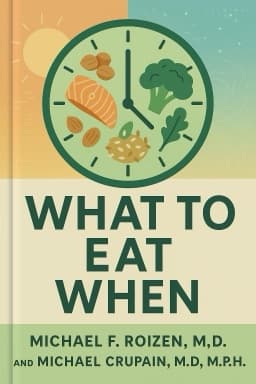
Eat Like a Pro: The Ultimate Guide to Mastering Meal Timing for Energy & Weight Loss
How adjusting your meal schedule can turbocharge your metabolism and help shed stubborn pounds.

Weight loss is often viewed through the lens of calories in versus calories out, but recent research highlights a crucial factor: when you eat those calories. Your body's insulin sensitivity peaks in the morning, making it the ideal time to consume carbohydrates and larger meals. Eating late at night, when insulin resistance is higher, promotes fat storage and metabolic dysfunction.
Limiting your daily eating window to 12 hours or less—commonly practiced in intermittent fasting—has been shown to improve weight loss, reduce inflammation, and enhance sleep quality. Studies in both animals and humans demonstrate that time-restricted feeding aligns eating patterns with circadian rhythms, leading to healthier metabolism and reduced disease risk.
Front-loading calories earlier in the day means having a hearty breakfast and lunch while keeping dinner light and early. This approach leverages your body's natural hormone cycles to optimize energy use and prevent blood sugar spikes. For example, women who ate their largest meal at breakfast lost more weight and waist circumference than those who ate it at dinner.
Consistency is vital. Eating meals and snacks at regular times supports your internal clock and prevents metabolic disruptions caused by erratic eating. Avoiding processed foods high in simple sugars and unhealthy fats further stabilizes blood sugar and reduces inflammation.
This guide also addresses common challenges such as hunger and social eating by recommending gradual habit changes, meal prepping, and mindful eating techniques. By tuning into your body's natural rhythms and adjusting your meal timing accordingly, you can unlock sustainable weight loss and vibrant energy.
Ready to transform your eating habits? Start by tracking your current meal times, then gradually shift your calories earlier and reduce your eating window. Pair this with nutrient-rich whole foods and mindful practices for the best results.
Sources: Want to explore more insights from this book?