
Stop Sabotaging Your Health: The Shocking Truth About Late-Night Eating
Why that midnight snack might be ruining your metabolism and what to do instead.

Many of us indulge in late-night snacks without realizing the profound impact this habit has on our metabolism. Eating during the biological night clashes with your circadian rhythm, the internal clock that optimizes bodily functions according to the day-night cycle. This misalignment leads to impaired glucose tolerance, higher insulin resistance, and increased fat storage.
Scientific studies reveal that consuming the same meal at night causes significantly higher blood sugar spikes compared to eating it in the morning. This metabolic disruption contributes to weight gain, fatty liver, and elevated cardiovascular risk. Animal research supports these findings, showing that mice restricted to eating during their inactive phase develop obesity and insulin resistance despite identical calorie intake.
Late-night eating also interferes with sleep quality, further exacerbating metabolic dysfunction. Poor sleep disrupts hormone balance, increases appetite, and impairs glucose metabolism, creating a vicious cycle.
Breaking the habit of nocturnal eating requires conscious effort. Strategies include limiting your eating window to daylight hours, preparing satisfying early dinners, and finding alternative ways to manage evening cravings such as herbal teas or mindful relaxation techniques.
Respecting your body's natural clock by avoiding food intake after sunset not only supports weight management but also enhances overall health and longevity. Transform your nights by prioritizing rest and recovery over late-night snacking.
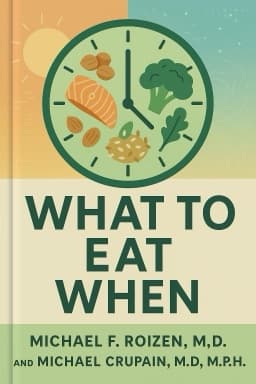
Sources: Want to explore more insights from this book?