
The Customer Is King: How Google’s Philosophy Puts You in Control
Learn how Google’s customer-first approach revolutionizes marketing and builds lasting loyalty.

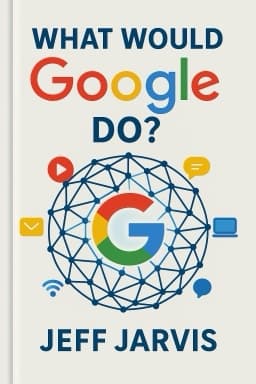
The internet has flipped the old marketing script on its head. In Jeff Jarvis’s What Would Google Do?, the customer is no longer just a target but a powerful participant. Give the people control and we will use it. Don’t, and you will lose us. This mantra captures the essence of Google’s customer-centric philosophy.
Customers today expect transparency and responsiveness. They share their experiences widely, influencing others and shaping brand reputations. A single blog post criticizing a product can ignite a global conversation, forcing companies to listen and engage directly. This new reality demands that businesses open their doors and invite customers in as partners.
Social media amplifies this effect. Campaigns offering exclusive discounts to users who share on platforms like Twitter have generated millions in sales, demonstrating the power of customer-driven marketing. Moreover, consumers increasingly prefer brands that align with their values, such as social responsibility, authenticity, and openness.
Traditional advertising is losing ground to word-of-mouth and community advocacy. Customers trust recommendations from peers more than ads. Companies that invest in exceptional service and transparency cultivate loyal advocates who market on their behalf.
This shift requires marketers to rethink strategies. Instead of controlling messages, they facilitate conversations, listen actively, and co-create value with customers. This approach builds trust, engagement, and sustainable growth.
In summary, Google’s customer-first philosophy empowers individuals and transforms marketing into a collaborative journey. By embracing this mindset, businesses can deepen relationships, foster loyalty, and thrive in the digital era.
References: Key ideas sourced from What Would Google Do? and reviews from Goodreads, Amazon, Blinkist, and Information Research 1 2 3 4 .
Want to explore more insights from this book?
Read the full book summary