
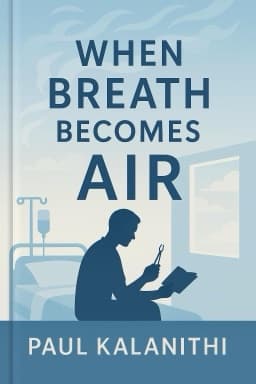
Unlocking the Secrets of Life and Death: Insights from 'When Breath Becomes Air'
How a Neurosurgeon’s Story Illuminates Our Shared Human Journey

Introduction: A Unique Perspective on Mortality
Paul Kalanithi’s memoir stands out for its rare vantage point—combining the precision of neurosurgery with the vulnerability of terminal illness.
Early Intellectual Roots
The author’s background in both literature and biology created a foundation for his philosophical inquiries into life and death. This interdisciplinary approach enriches the narrative and invites readers to explore deeper questions.
The Demands and Rewards of Medical Training
Neurosurgical residency is a test of endurance and empathy. Kalanithi’s detailed descriptions reveal the emotional and ethical challenges faced by medical trainees.
The Personal Impact of Illness
Facing a terminal diagnosis reshapes identity and forces a reckoning with mortality. Kalanithi’s candid reflections provide insight into the emotional complexity of this experience.
Philosophical Themes: Meaning, Language, and Relationships
Language and human connection emerge as central to preserving identity and creating meaning. The memoir explores how love and relationships sustain us even as life wanes.
Legacy and the Human Spirit
Writing becomes a means of leaving a lasting impact. Family and love offer strength, underscoring the memoir’s themes of courage and hope.
Conclusion: Embracing Life’s Fragility
'When Breath Becomes Air' invites readers to embrace life’s impermanence with grace and to find meaning in every breath. It offers a timeless message about courage, love, and the enduring human spirit.
Want to explore more insights from this book?
Read the full book summary