
The Social Life of Ideas: How Knowledge Evolves Through Community, Teaching, and Debate
From Coffeehouses to Classrooms: Why Sharing Ideas Matters More Than Ever

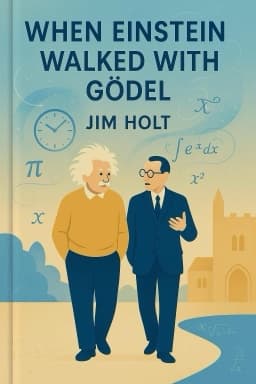
Ideas do not live in isolation. The most powerful breakthroughs in science and mathematics have often emerged from the lively exchange of minds—in coffeehouses, classrooms, and salons. In 'When Einstein Walked with Gödel,' Jim Holt shows that the transmission of ideas is as vital as their discovery. A single teacher’s encouragement, a spirited debate among friends, or a chance encounter in a café can set the stage for revolutions in thinking.
Mentorship plays a crucial role in shaping future innovators. Many of the figures in Holt’s book credited their breakthroughs to the guidance of a mentor or the inspiration of a peer. Ideas, like living organisms, evolve as they are shared, debated, and adapted. Each generation adds its own questions and insights, ensuring that knowledge remains vibrant and relevant.
In a rapidly changing world, the social life of ideas offers hope. It reminds us that progress depends not just on solitary genius, but on our willingness to learn, teach, and grow together. By embracing conversation and community, we keep the spirit of curiosity alive—and prepare ourselves to meet the challenges of the future.
Want to explore more insights from this book?
Read the full book summary