
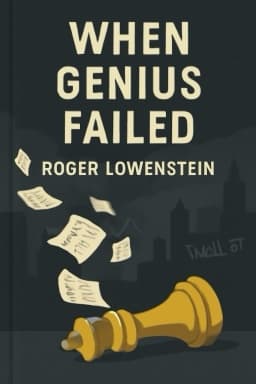
Genius, Hubris, and the Human Factor: Why LTCM’s Story Still Matters
Beyond the numbers: the psychological traps that brought down a financial empire.

The Allure of Brilliance
At the height of its power, LTCM was a magnet for talent and ambition. Its founders were lionized as the smartest people in the room, their every move watched and emulated. But with brilliance came hubris—a belief that their intellect could conquer any challenge. This overconfidence, so common among high achievers, was both their greatest asset and their undoing.
Groupthink and the Echo Chamber
Inside LTCM, dissent was rare. The partners’ success bred a culture of insularity, where questioning the models or the strategy was seen as disloyal. Groupthink set in, blinding the team to warning signs and alternative perspectives. When trouble hit, their instinct was to double down, not adapt.
The Illusion of Control
Perhaps the most dangerous trap was the illusion of control. The partners believed their models could predict—and even shape—the future. But markets are driven by millions of individual decisions, emotions, and shocks. The more they tried to master risk, the more vulnerable they became to the unexpected.
Leadership and Humility
The story of LTCM is a lesson in leadership as much as finance. True leaders foster diversity of thought, encourage questioning, and remain humble in the face of uncertainty. The fund’s collapse is a powerful reminder that no one is immune to error—and that learning from failure is the mark of real genius.
Conclusion: The Enduring Human Element
Numbers and models matter, but people matter more. 'When Genius Failed' endures because it reveals the timeless, human side of finance—the hopes, fears, and flaws that shape our greatest successes and failures.
Want to explore more insights from this book?
Read the full book summary