
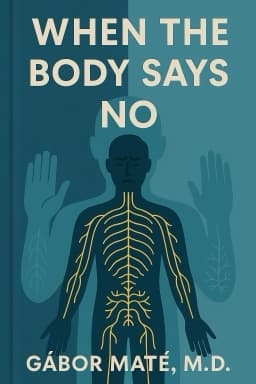
The Hidden Link Between Childhood Trauma and Adult Illness: What Science Reveals
Explore how early emotional wounds silently shape your health decades later and what you can do about it.

Childhood is the crucible where our emotional and physiological foundations are forged. When this period is marked by trauma, neglect, or emotional repression, the effects ripple far beyond childhood, silently shaping adult health.
Emotional neglect disrupts the development of brain regions responsible for stress regulation and emotional processing. This leads to hyperactive stress responses and impaired immune function, setting the stage for chronic illnesses such as autoimmune diseases and cancer.
Family dynamics further complicate this picture. Children often adopt roles like caretaker, peacemaker, or scapegoat to maintain family stability. These roles require repressing true feelings, embedding stress deep within the psyche and body.
Boundaries within families may blur, causing emotional enmeshment where individual feelings are sacrificed for the collective. Such patterns perpetuate stress and illness across generations.
Breaking free requires awareness and emotional competence. Recognizing these inherited patterns enables individuals to reclaim their autonomy and heal emotional wounds. Therapeutic approaches that integrate mind and body, such as somatic therapies and trauma-informed care, offer powerful tools for recovery.
By understanding the profound impact of childhood trauma on adult illness, we open the door to compassionate healing and renewed vitality.
Sources: Want to explore more insights from this book?