
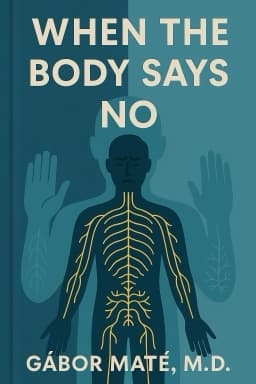
Why Your Body Says No: The Science Behind Emotional Repression and Chronic Disease
Unravel the scientific mechanisms linking emotional repression to physical illness and how to heal holistically.

Chronic diseases such as cancer, autoimmune disorders, and neurodegenerative illnesses are often attributed to genetics or lifestyle choices. However, emerging science reveals a deeper, less visible culprit: emotional repression and the hidden stress it generates within the body.
The hypothalamic-pituitary-adrenal (HPA) axis orchestrates the body's stress response by releasing cortisol, a hormone vital for survival in short bursts. Yet, when stress becomes chronic, elevated cortisol levels suppress the immune system, damage tissues, and disrupt bodily functions. This physiological cascade explains why individuals under prolonged emotional strain develop illnesses seemingly unrelated to physical causes.
Early childhood experiences profoundly influence this stress biology. Children raised in emotionally neglectful or abusive environments develop maladaptive stress regulation, which affects brain development and immune competence. These early emotional wounds predispose individuals to chronic illness later in life.
Psychoneuroimmunology, the interdisciplinary science studying the interaction between psychological processes and the nervous and immune systems, provides a framework to understand these complex interactions. It demonstrates how emotions and beliefs influence immune function, gene expression, and overall health.
Emotional competence—the ability to recognize, express, and manage feelings—is a critical protective factor. Suppression of emotions, especially anger, is linked to increased disease risk. Learning to face and express emotions healthily reduces hidden stress and supports immune resilience.
Practical healing frameworks, such as the Seven A’s of Healing, guide individuals through acceptance, awareness, assertiveness, and other key emotional skills necessary for recovery. These steps empower people to reclaim their health by addressing the emotional roots of illness.
Real-life case studies illustrate how individuals who integrate emotional awareness with medical treatment experience better outcomes and improved quality of life.
Understanding the science behind emotional repression and chronic disease transforms how we approach health. It calls for a holistic perspective that honors the inseparable mind-body connection and the profound impact of our emotional lives on physical well-being.
Sources: Want to explore more insights from this book?