
Unlocking the Hidden Forces: How Economics Explains Everything You Do
Discover the surprising ways economic incentives shape your daily choices and behaviors

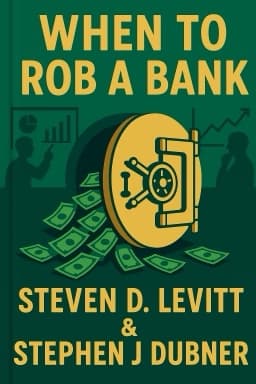
Economics is often seen as the study of money and markets, but its true power lies in explaining human behavior in all its complexity. From the moment you wake up and decide what to eat, to how you vote, love, or even cheat, economic incentives are quietly shaping your choices. This blog unpacks these hidden forces, drawing on groundbreaking research and popular books like 'The Economics of Everyday Life' by Uri Gneezy and John List, and the classic 'Freakonomics' by Steven Levitt and Stephen Dubner.
The Power of Incentives
Incentives are the heartbeat of economics. They motivate people to act in certain ways by rewarding or punishing behaviors. For example, a quirky pricing strategy at a local chicken wing restaurant—charging more for the third wing than the first two—reveals how businesses experiment with incentives to influence buying habits. Similarly, paying politicians better salaries has been shown to attract more qualified candidates and improve governance quality, demonstrating that even public service is governed by economic logic.
Cheating, Crime, and Risk
Dishonesty is not just a moral failing but often a rational response to incentives. Teachers under pressure to boost test scores may manipulate results, athletes may dope to win lucrative prizes, and criminals weigh risks and rewards before acting. Moreover, humans tend to overestimate rare but dramatic risks, like terrorism, while underestimating everyday dangers such as walking drunk. Understanding these misperceptions can lead to smarter policies and safer communities.
Social Behavior and Identity
Our social lives are deeply influenced by economic incentives. Love behaves like an addiction, driving intense cravings and withdrawals. Social norms encourage generosity, especially when people see others giving. Even names carry economic weight, affecting how people are perceived and treated. These insights reveal that identity and relationships are not just emotional but also incentive-driven phenomena.
Environmental Economics and Sustainability
Protecting the environment demands careful design of incentives. Sometimes well-meaning laws can backfire, like when endangered species protections cause landowners to destroy habitats preemptively. Gas taxes should reflect true social costs like congestion and pollution, yet political resistance keeps them low. Surprisingly, packaging can reduce food waste by preserving freshness, showing that economic analysis can overturn common assumptions.
Markets and Prices
Prices do more than signal cost; they organize complex market interactions. Price differences in generic drugs across pharmacies reflect information asymmetry and consumer habits. Car buying rituals persist despite online transparency due to social and psychological factors. Corporate secrecy sometimes prevents destructive price wars, illustrating strategic economic behavior beyond simple profit maximization.
Embracing Economic Thinking
Ultimately, economic thinking offers a powerful lens to understand the world’s hidden patterns. By staying curious and open, engaging in dialogue, and applying economic principles broadly, we can better navigate complexities and design systems that improve lives. As the authors of 'The Economics of Everyday Life' emphasize, economics is not just for experts but a vital tool for everyone seeking insight and transformation.
Want to explore more insights from this book?
Read the full book summary