
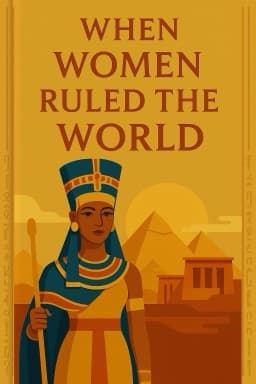
Cleopatra and Beyond: How Egypt’s Queens Shaped History and Modern Leadership
Connecting the legacies of ancient Egyptian queens to contemporary discussions on gender and leadership

The stories of Egypt’s female rulers are not confined to the past; they echo through time, informing contemporary conversations about gender, power, and leadership. From the divine queenship of Isis embodied by Merneith to the political mastery of Cleopatra, these women’s legacies offer rich lessons.
Cleopatra’s strategic alliances with Rome, her embrace of Egyptian culture, and her deft navigation of imperial politics illustrate the complexity of female leadership. Her story challenges simplistic portrayals, revealing a leader who combined intellect, diplomacy, and resilience.
Hatshepsut’s reign, marked by monumental architecture and religious legitimization, demonstrates how women can reshape cultural narratives to assert authority. Nefertiti’s role in the religious revolution underscores the power of spiritual leadership and innovation.
Yet, these queens also faced erasure and resistance, a pattern mirrored in modern times where women leaders often confront skepticism and systemic barriers. The cyclical nature of female power—rising during crises and challenged afterward—reminds us of the enduring struggle for gender equality.
By studying these ancient rulers, we gain perspective on the challenges and possibilities of leadership across genders. Their stories inspire a vision of leadership defined by ability, wisdom, and courage rather than gender alone.
Sources: Amazon (When Women Ruled the World), 20MinuteBooks summary, DCCCD Library Catalog 1 3 4
Want to explore more insights from this book?
Read the full book summary