
Hatshepsut to Cleopatra: The Untold Power Plays of Egypt’s Legendary Queens
Inside the political intrigue, religious legitimization, and bold leadership moves of Egypt’s most famous queens

When we think of ancient Egypt, images of towering pyramids and powerful male pharaohs often come to mind. Yet, the true story of Egypt’s leadership includes a cadre of extraordinary women who wielded power with intelligence, strategy, and sometimes ruthless determination.
Hatshepsut’s reign is a case study in political innovation. Starting as regent for her stepson Thutmose III, she gradually assumed full kingship, adopting the traditional symbols of male authority including the false beard and royal kilt. Her claim to power was bolstered by religious narratives asserting her divine birth, a clever use of theology to overcome gender biases. Under her rule, Egypt enjoyed peace, prosperity, and monumental architectural achievements, including her famous mortuary temple at Deir el-Bahari.
Despite her success, after her death, efforts were made to erase her from history, with statues defaced and her name removed from records—an early example of patriarchal backlash against female power.
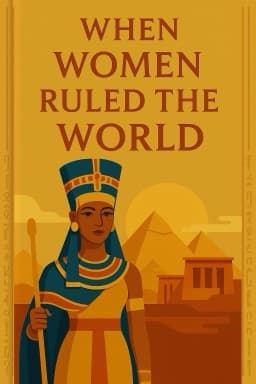
Nefertiti, wife of Akhenaten, was more than a beautiful icon. She stood at the center of Egypt’s radical religious shift toward monotheistic worship of Aten. Artistic depictions from the Amarna period highlight her prominence alongside the pharaoh, suggesting shared religious and political authority. Some scholars argue she may have ruled as co-regent or even pharaoh after Akhenaten’s death, highlighting her exceptional status.
Cleopatra VII, the last native ruler of Egypt, was a master diplomat and strategist. Her alliances with Julius Caesar and Mark Antony were not merely romantic but calculated political moves to protect Egypt’s independence amid Rome’s growing power. Cleopatra embraced Egyptian traditions and language, setting herself apart from her Greek Ptolemaic ancestors and strengthening her legitimacy with her subjects.
Her reign ended with the Roman conquest and her tragic death, but her story remains a powerful testament to female leadership under pressure, navigating imperial politics with grace and cunning.
These queens shared common themes: the use of religious legitimacy, the navigation of patriarchal structures, and the strategic use of symbolism and alliances. Their stories are not just historical curiosities but lessons in leadership, resilience, and the complexities of power.
By exploring their lives, we gain insight into the ways women have shaped history, often against great odds, and how their legacies continue to influence our understanding of gender and authority.
Sources: Amazon (When Women Ruled the World), 20MinuteBooks summary, DCCCD Library Catalog 1 3 4
Want to explore more insights from this book?
Read the full book summary