
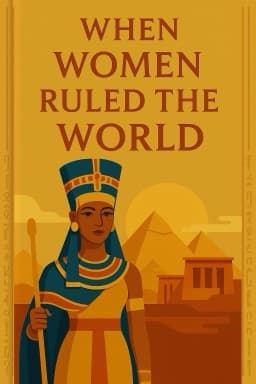
Secrets of Egypt’s Female Pharaohs: How Women Ruled the Ancient World Like Queens and Warriors
Unveiling the untold stories of Egypt’s most powerful women who defied tradition and shaped an empire

Ancient Egypt, a land of pyramids and mystery, is often remembered for its male pharaohs. But hidden within its rich history are the remarkable stories of women who ruled with divine authority and political savvy. These female rulers were not mere placeholders; they wielded real power, reshaping the destiny of one of the world’s greatest civilizations.
The foundation of female power in Egypt was deeply intertwined with religion. Queens were seen as earthly embodiments of goddesses like Isis, essential protectors of the king and guarantors of dynastic continuity. This divine kingship system created a unique space where women could exercise authority, especially as regents during vulnerable transitions. Merneith, for example, ruled as regent in the First Dynasty, overseeing massive human sacrifices to secure her son’s throne and was honored with a tomb rivaling those of kings.
Fast forward to the Middle Kingdom, Neferusobek became the first female monarch to claim full kingship titles, ruling alone during famine and political crisis. Her reign showcased the pragmatic acceptance of female power when the male line faltered. Then came Hatshepsut, perhaps the most famous female pharaoh, who ruled for over 20 years, adopting masculine regalia and claiming divine birth through oracles to legitimize her unprecedented kingship. Her monumental building projects and prosperous reign challenged gender norms and left a lasting architectural legacy.
Nefertiti, consort to Akhenaten, played a pivotal role in Egypt’s religious revolution, promoting monotheistic worship of the Aten. Her political and religious influence may have extended into co-regency or even sole rulership, highlighting the complex roles women could occupy. Tawosret, ruling openly as a female king without masculine disguise during the 19th Dynasty’s decline, further exemplified the diversity of female leadership styles in Egypt.
Finally, Cleopatra VII, the last native Egyptian ruler, combined political acumen with cultural adaptation and strategic alliances with Julius Caesar and Mark Antony to preserve Egypt’s sovereignty amid Rome’s expansion. Often misunderstood through myths of seduction, Cleopatra’s true legacy lies in her diplomatic genius and leadership during a tumultuous era.
These stories reveal a cyclical pattern: female power rose during crises but was often followed by patriarchal backlash and erasure. Yet, the legacy of these queens endures, offering inspiration and insight into the challenges and triumphs of women leaders across time. Ancient Egypt’s unique geography and religious beliefs fostered a relatively tolerant environment for female rulership, a lesson that resonates today as women continue to break barriers worldwide.
Understanding these queens’ nuanced political strategies, religious roles, and personal courage enriches our appreciation of history and provides timeless lessons on leadership and gender dynamics. Their legacies challenge us to rethink assumptions about power and inspire new generations to pursue equality and justice.
Discover more about these fascinating rulers and their impact on history, culture, and modern leadership in this deep dive into the world of Egypt’s female pharaohs.
Sources: Amazon (When Women Ruled the World), 20MinuteBooks summary, DCCCD Library Catalog 1 3 4
Want to explore more insights from this book?
Read the full book summary