
Why Great Minds Don’t Think Alike: The Science of Creative Networks
How Collaboration, Diversity, and Serendipity Drive the Best Ideas

How Collaboration, Diversity, and Serendipity Drive the Best Ideas
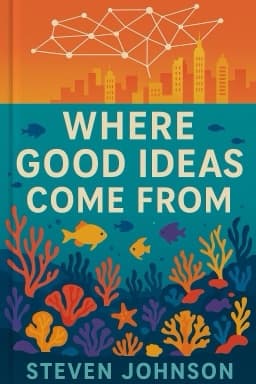
What do a coral reef, a bustling city, and the human brain have in common? According to Steven Johnson, they are all 'liquid networks'—environments where ideas flow, collide, and recombine in unpredictable ways. The myth of the lone genius is just that—a myth. In reality, the most important breakthroughs come from networks: groups of people, ideas, or even neurons interacting over time.
Take the example of MIT’s Building 20, a ramshackle structure that became a legendary innovation hub. Its flexible design encouraged spontaneous meetings and collaborations across disciplines, leading to advances in linguistics, physics, and even the invention of the first video game. Or consider the World Wide Web, which began as a platform for sharing scientific data but quickly became a playground for millions, spawning everything from social networks to online shopping.
The human brain, with its 100 billion neurons, is the ultimate liquid network. New ideas emerge not as single sparks but as new patterns of connections. The same is true for cities: as populations grow, so does the rate of innovation—because more people mean more connections, more collisions, more unexpected combinations.
Serendipity also plays a crucial role. Many discoveries, from penicillin to the structure of benzene, were made by accident. But these accidents only matter in environments that are open to surprise and tolerant of error. The lesson is clear: if you want to have better ideas, you need to build better networks—diverse, open, and flexible enough to let creativity flow.
So how do you nurture these networks? Join new communities, seek out people who are different from you, and create spaces where ideas can mingle. Whether you’re building a company, a classroom, or your own creative routine, remember: great minds don’t think alike—they connect, collide, and collaborate.
Want to explore more insights from this book?
Read the full book summary