
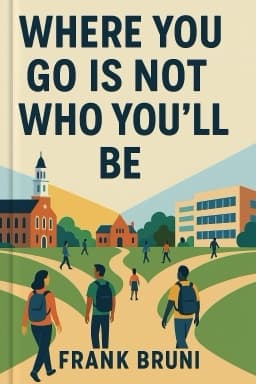
Beyond the Ivy League: Real Stories of Success from Unexpected Colleges
How Choosing the Right School for You Can Lead to Lifelong Achievement

Success is often portrayed as the exclusive domain of graduates from elite colleges. Yet, countless leaders across business, politics, science, and the arts have emerged from a broad range of institutions, including public universities and smaller colleges that may lack national prestige but offer vital opportunities for growth.
For example, many U.S. senators and governors attended state universities that provided them with local networks and grounding in their communities. Graduate education often plays a pivotal role, with many leaders pursuing advanced degrees at top-tier graduate schools regardless of their undergraduate institution. This highlights the evolving nature of educational influence.
Choosing a school that fits one's social, cultural, and academic needs fosters the development of resilience, confidence, and adaptability—qualities essential for long-term success. Close faculty relationships, accessible resources, and supportive communities nurture these life skills, preparing students for the complexities of the modern world.
These stories and insights invite us to broaden our definition of educational excellence and value the diverse environments in which individuals thrive.
Sources: The Truth about College Admission (Johns Hopkins Press), The Chosen by Jerome Karabel, The Best Book Ever Written On Elite College Admissions (Poets&Quants)
Want to explore more insights from this book?
Read the full book summary