
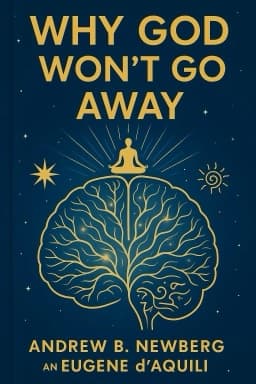
Unlocking the Brain’s Spiritual Secrets: How Neurotheology Bridges Science and Mysticism
Discover the fascinating science behind spiritual experiences and how your brain constructs the sacred.

Imagine sitting quietly in meditation, your mind gradually quieting as a profound sense of unity washes over you. This feeling of transcendence, often described as mystical or spiritual, is not just poetic metaphor — it is a real neurological event. Neurotheology, an interdisciplinary field combining neuroscience and theology, seeks to unravel how the brain creates these sacred experiences.
At the heart of these experiences lies the brain’s orientation association area, which helps define the boundaries between self and environment. During deep meditation or mystical states, this area’s activity diminishes, allowing the sense of self to dissolve into a greater unity. Brain imaging techniques like SPECT reveal these changes, providing objective evidence that spiritual experiences are biologically grounded.
But spirituality is more than isolated brain activity; it is woven into the very fabric of human evolution. Early humans created myths and rituals to cope with existential fears such as death and suffering. These stories framed reality in binary opposites — life and death, good and evil — helping the mind organize complex emotions and uncertainties. Rituals, with their rhythmic and repetitive behaviors, further altered brain states to foster social bonding and collective transcendence.
The evolutionary advantages of religion are clear: it enhances group cohesion, reduces stress, and promotes health. Faith communities provide emotional support and shared meaning, which are vital for psychological resilience. The brain’s cognitive imperatives drive us to seek certainty and meaning, which religion satisfies through symbolic metaphors such as God — a representation of the ineffable Absolute Unitary Being described by mystics across cultures.
Neurotheology offers a powerful synthesis, showing that science and spirituality are not opposing forces but complementary ways of understanding reality. By exploring the brain’s role in spiritual experience, we gain new language and insight to appreciate the sacred without dismissing its biological roots. This knowledge empowers us to deepen our spiritual lives and foster respect between scientific and religious communities.
In a world often divided by belief and skepticism, neurotheology illuminates a path toward unity — revealing that the brain itself is a gateway to the divine.
For those eager to explore further, seminal works such as
Want to explore more insights from this book?
Read the full book summary