
From Grandmothers to Global Villages: The Evolution of Family and Love
How Menopause, Elders, and Adaptability Built Human Societies

How Menopause, Elders, and Adaptability Built Human Societies
Why do human females live decades after their childbearing years? The answer is both scientific and deeply moving. The 'grandmother hypothesis' suggests that menopause evolved so older women could help raise grandchildren, boosting the survival of their genes. This is just one way our families differ from those of other animals.
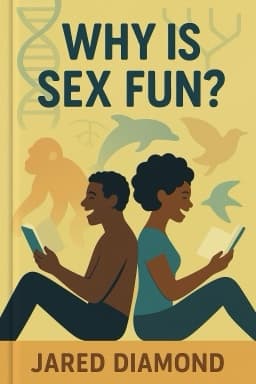
Jared Diamond’s research, along with studies from anthropology, shows that human societies have invented countless ways to organize love and family. Some cultures value lifelong monogamy, others practice polygamy, and still others form communal families where parenting is shared.
At the core is adaptation: families change to fit their environment, resources, and history. Grandmothers, elders, and extended kin networks provide support, wisdom, and resilience. These bonds are the foundation of human society and the secret to our survival.
Our evolutionary story is one of cooperation, flexibility, and creativity. By understanding where we come from, we can better appreciate the rich diversity of human relationships and the power of love in all its forms.
Sources: Why Is Sex Fun? by Jared Diamond, LA Times Book Review, anthropology journals.
Want to explore more insights from this book?
Read the full book summary