
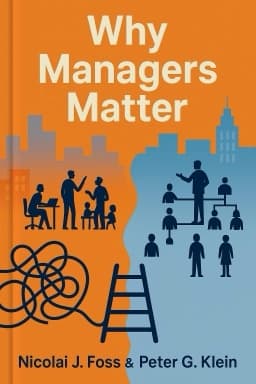
Evidence Over Anecdotes: Why Smart Organizations Rely on Data, Not Just Stories
How to Avoid the Halo Effect and Build Resilient Organizations

How to Avoid the Halo Effect and Build Resilient Organizations
We all love a good story—especially one about a scrappy startup that defied the odds, or a visionary leader who transformed a company overnight. But when it comes to building resilient organizations, stories can be a double-edged sword. The 'halo effect'—where we mistake correlation for causation and draw sweeping conclusions from a few successes—can lead to costly mistakes.
Many business bestsellers are built on cherry-picked anecdotes and extreme cases. They ignore the silent failures and the messy details that make real change so difficult. Research from MIT and others shows that most management fads, when applied blindly, fail to deliver lasting results. Instead, the most successful organizations use evidence-based management: they test new ideas, measure outcomes, and adapt based on what works in their unique context.
2
For example, delayering is often touted as a way to empower employees. But the data reveals that it can just as easily increase bureaucracy, as top executives get more involved in day-to-day decisions. The key is to combine practical wisdom with continuous learning—embracing both tradition and innovation, and always questioning what really drives success.
If you want your organization to thrive, don’t fall for the latest management myth. Build a culture that values evidence, encourages experimentation, and learns from both successes and failures. In the long run, it’s not the stories you tell, but the lessons you learn, that make the difference.
Want to explore more insights from this book?
Read the full book summary