
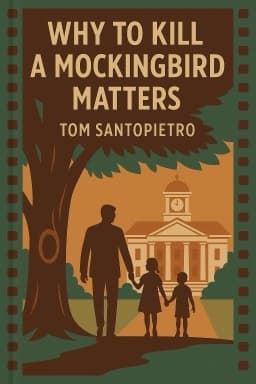
Controversy and Conversation: The Complex Impact of ‘To Kill a Mockingbird’ in Schools
Why This Classic Novel Sparks Heated Debates Decades Later
For more than half a century, ‘To Kill a Mockingbird’ has been a fixture in school curriculums, introducing students to themes of justice, morality, and the realities of prejudice. Yet, its place in the classroom has never been guaranteed. The novel is among the most frequently challenged and banned books in American history. Why does a story so beloved also provoke such intense debate?
Much of the controversy centers on the book’s language and subject matter. Its frank portrayal of racial slurs, the injustice of Tom Robinson’s trial, and the realities of sexual assault have led some parents and administrators to call for its removal. Others argue that the book’s perspective—centered on a white family’s experience of racism—limits its ability to foster true understanding of Black experiences.
Despite these debates, many educators insist that the novel remains a vital tool for teaching empathy and critical thinking. Teachers describe using the book as a springboard for conversations about history, privilege, and the ongoing struggle for civil rights. Students often emerge from these discussions with a deeper understanding of both the past and the present.
Some districts have responded to criticism by pairing ‘To Kill a Mockingbird’ with works by Black authors or by providing additional context about the era in which it was written. These approaches recognize that literature is not static; its meaning evolves as society changes.
Ultimately, the discomfort the novel provokes may be its greatest strength. By challenging students to grapple with difficult topics in a supportive environment, ‘To Kill a Mockingbird’ helps prepare the next generation to build a more just and compassionate world.
Whether you see it as a classic or a controversy, one thing is clear: the conversation about ‘To Kill a Mockingbird’ is far from over.
References: Facing History, NY Times, Raising Arizona Kids
Want to explore more insights from this book?
Read the full book summary