
Real-Life Inspirations Behind ‘To Kill a Mockingbird’: Fact vs. Fiction
Meet the People and Places That Brought Maycomb to Life

Great stories often begin with a kernel of truth, and nowhere is this more evident than in Harper Lee’s ‘To Kill a Mockingbird.’ Lee’s childhood in Monroeville, Alabama, provided the raw material for Maycomb—a town alive with gossip, tradition, and quiet acts of rebellion. Her father, A.C. Lee, was a respected lawyer whose sense of justice and integrity became the template for Atticus Finch. The bond between young Harper and her neighbor, Truman Capote, inspired the character of Dill, whose curiosity and outsider status add depth to the novel’s exploration of belonging.
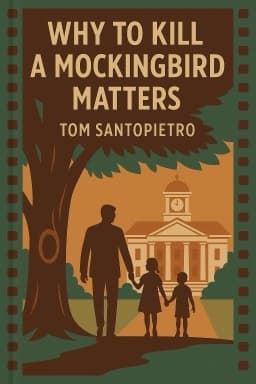
The real courthouse in Monroeville is nearly identical to the one described in the novel, and it remains a pilgrimage site for fans. The enigmatic Boo Radley, too, was inspired by a real neighbor—Alfred ‘Son’ Boulware—whose reclusiveness sparked rumors and stories among local children.
Lee’s experiences growing up in the segregated South shaped her understanding of justice, empathy, and the dangers of prejudice. The trial at the novel’s center echoes real cases that shook Alabama in the early 20th century, reminding us that fiction often mirrors reality in order to illuminate it.
By weaving together fact and imagination, Lee created a world that is both specific and universal, inviting readers to reflect on their own communities and the people who shape them.
‘To Kill a Mockingbird’ endures not just because of its plot, but because of the authenticity and humanity of its characters—a testament to the power of writing what you know.
References: Britannica, NY Times, Raising Arizona Kids
Want to explore more insights from this book?
Read the full book summary