
Why Everything You Know About Obesity Is Wrong: The Hormonal Truth Exposed!
Uncover the misunderstood science behind fat gain and why calories-in/calories-out is misleading.

For decades, the conventional wisdom has been that obesity results from consuming more calories than we burn. This simple 'calories-in, calories-out' model has dominated public health guidelines, diet plans, and medical advice. But what if this widely accepted theory is fundamentally flawed? What if the real cause of fat gain lies not in how much we eat or move, but in how our hormones regulate fat storage?
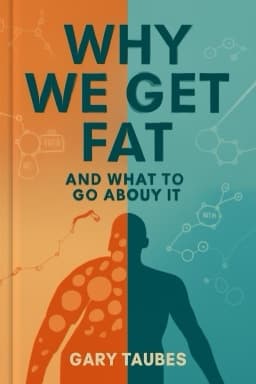
Gary Taubes, a leading science journalist, has challenged this paradigm through meticulous research and compelling evidence. His work reveals that obesity is primarily a disorder of fat accumulation governed by hormones, particularly insulin, rather than a mere result of energy imbalance. Insulin acts as a master regulator, signaling fat cells to store or release fat depending on dietary inputs, especially carbohydrate consumption.
This hormonal perspective explains many paradoxes that the calorie model cannot. For instance, obesity is often more prevalent in impoverished communities where food scarcity is common, and malnutrition coexists with overweight individuals. If overeating alone caused fat gain, such patterns would be inexplicable.
Moreover, attempts to lose weight by simply eating less or exercising more frequently fail in the long term because the body adapts by slowing metabolism and increasing hunger. These physiological adaptations are driven by hormonal feedback loops designed to preserve fat stores for survival.
The blog further explores how carbohydrate-rich diets stimulate insulin secretion, promoting fat storage and increasing appetite. Liquid carbohydrates, such as sugary beverages, are particularly insidious, causing rapid insulin spikes and fat accumulation.
Understanding these mechanisms opens the door to more effective weight management strategies focused on hormonal regulation rather than calorie counting. Low-carbohydrate diets, which reduce insulin spikes, have shown promise in facilitating fat loss and improving metabolic health.
In conclusion, this new paradigm offers hope for reversing the obesity epidemic by addressing its root causes. By shifting focus from calories to hormones, individuals and healthcare providers can develop more compassionate, scientifically sound approaches to weight control.
For those seeking deeper insights, the works of Gary Taubes and related scientific literature provide a rich resource to understand the complex biology of obesity.
References:
BMJ: The science of obesity and competing hypotheses
1
Nature: Treat obesity as physiology, not physics
3
Gary Taubes articles archive
2
Want to explore more insights from this book?
Read the full book summary