
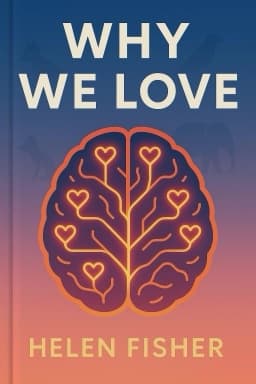
Heartbreak Hurts Like a Burn: What Neuroscience Reveals About Lost Love
Why Lost Love Hurts So Much—and How You Can Heal

Why Lost Love Hurts So Much—and How You Can Heal
Anyone who’s experienced heartbreak knows it’s not just sadness—it’s a deep, physical ache. Science now confirms what poets have always said: heartbreak activates the same areas of the brain as physical pain. When relationships end, your brain’s pain centers light up, causing real distress. This isn’t just emotional—it’s biological.
Why does heartbreak hurt so much? The answer lies in love’s addictive nature. When we’re in love, our brains are flooded with dopamine, creating a sense of euphoria and obsession. When love is lost, the brain experiences withdrawal, much like a drug addict going cold turkey. This is why people often feel desperate, anxious, and unable to focus after a breakup.
But there’s hope. The brain is wired for resilience. Even in the depths of heartbreak, motivation circuits remain active, urging us to seek new connections and eventually heal. Many people find that surviving heartbreak leads to personal growth, greater empathy, and a deeper appreciation for life.
So, how can you heal? Neuroscience suggests that self-care, social support, and new experiences help rewire the brain and ease the pain. Writing, reflecting, and connecting with others can foster growth and renewal. Remember, heartbreak is part of the universal story of love—and healing is possible for everyone.
References: TheAnatomyofLove.com, Helen Fisher’s studies, Harvard Medical School
Want to explore more insights from this book?
Read the full book summary