
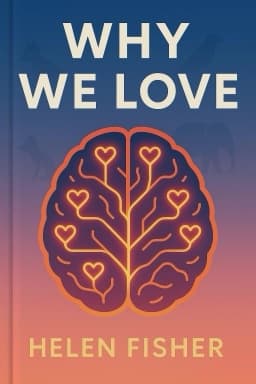
The Surprising Science Behind Why We Fall in Love (And Why It Feels Like Magic)
Unlocking the Ancient, Addictive, and Universal Drive That Shapes Every Heart

Unlocking the Ancient, Addictive, and Universal Drive That Shapes Every Heart
Love is the most sung-about, written-about, and dreamed-about feeling in human history. But what if love isn’t just a feeling? What if it’s a drive, a force as ancient as hunger, as powerful as thirst, as addictive as any drug? Modern science, led by researchers like Helen Fisher, is revealing that love is not just a human invention—it’s a universal phenomenon, deeply rooted in our biology and culture.
Universality of Love: Anthropologists have scoured the globe and found that romantic love appears in nearly every society. From ancient Sumerian clay tablets to modern pop songs, the longing, joy, and heartbreak of love are everywhere. Even cultures with no written language have rituals for attracting, keeping, or mourning love.
Symptoms of Love: If you’ve ever fallen in love, you know the symptoms: sleeplessness, loss of appetite, racing thoughts, a sense of euphoria and obsession. These aren’t just poetic metaphors—they’re real, measurable effects. People in love report thinking about their beloved for more than 85% of their waking hours. The highs and lows, the wild mood swings, are so intense that some cultures have special words for the dizziness and intoxication that love brings.
Animal Magnetism: Our love lives aren’t just human. Across the animal kingdom, creatures display courtship rituals, focused attention, and even jealousy. Prairie voles, for example, form lifelong pair bonds, driven by a surge of dopamine—the same brain chemical that fuels human romance. Birds dance, elephants caress, and even dogs show clear preferences for certain mates. Love is as old as life itself.
The Chemistry of Love: Brain scans reveal that when we fall in love, ancient reward circuits light up—regions like the caudate nucleus and ventral tegmental area, the same parts of the brain activated by addictive drugs. Dopamine floods our system, giving us energy and focus, while serotonin drops, leaving us open to obsessive thinking. This is why love can feel so consuming and uncontrollable.
The Mystery of Attraction: Why do we fall for one person and not another? The answer lies in our 'love maps'—unique blueprints shaped by childhood experiences, culture, and even genetics. Timing matters too; people are more likely to fall in love during times of change or emotional readiness. We’re drawn to those who are similar to us, but a touch of mystery can ignite the spark.
Conclusion: Understanding the science of love doesn’t make it any less magical. In fact, it shows just how deeply love is woven into our nature. Whether you’re in the throes of new romance or healing from heartbreak, know that you’re part of a story as old as humanity—and as fresh as your next heartbeat.
References: Helen Fisher’s research, Harvard Medical School, NPR, TheAnatomyofLove.com
Want to explore more insights from this book?
Read the full book summary