
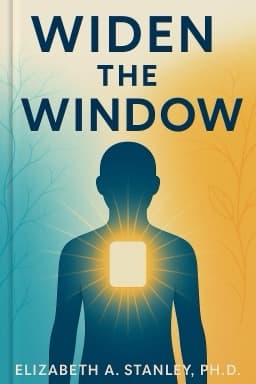
From Me to We: How Communities Heal Stress and Build Collective Resilience
Why your healing journey is stronger with others—and how we can all create safer spaces.

When we think about stress and trauma, we often focus on the individual. But as Elizabeth Stanley reminds us in Widen the Window, healing is a collective endeavor. Our resilience is shaped not only by personal habits, but by the families, communities, and institutions we belong to. In times of disaster, injustice, or chronic stress, whole groups can suffer together—and, just as importantly, heal together.
Collective trauma is real. Whether it’s a natural disaster, systemic discrimination, or community violence, the wounds can echo for generations. But there is hope: research shows that strong social bonds, supportive environments, and trauma-informed systems are powerful antidotes. When schools, workplaces, and governments adopt compassionate, predictable, and safe practices, everyone benefits.
Building collective resilience starts with connection. Reach out to neighbors, join support groups, and participate in community rituals. Advocate for trauma-informed policies in your local institutions. Most importantly, model vulnerability and self-care—when you heal, you inspire others to do the same. The ripple effect can transform families, workplaces, and entire societies.
Stanley’s message is clear: healing is not a solo journey. Together, we can widen the window for everyone, creating a world where hope, safety, and growth are possible for all.
References: Widen the Window by Elizabeth Stanley; Elizabeth-Stanley.com; Lead Across Borders summary
3
2
Want to explore more insights from this book?
Read the full book summary