
Blind Spots at Work: How Cognitive Limits and Fatigue Fuel Organizational Failure
The Invisible Forces Sabotaging Your Focus and How to Combat Them

Our brains are remarkable but not infallible. They filter vast amounts of information, prioritizing what seems familiar or expected, which creates natural blind spots. This selective attention can cause us to miss even glaring signals—a phenomenon known as inattentional blindness.
One famous demonstration involved observers counting basketball passes on a video who failed to notice a person in a gorilla suit walking through the scene. This illustrates how focused attention on one task excludes unexpected stimuli, a dangerous limitation in critical settings like healthcare or aviation.
Fatigue worsens these vulnerabilities. Sleep deprivation and long work hours reduce cognitive function, impairing complex reasoning and moral judgment. This increases tunnel vision and error rates, with potentially catastrophic consequences.
Organizations often compound these risks by promoting cultures of endurance over rest, overloading employees with information, and discouraging dissent. Such environments foster willful blindness at scale.
Addressing these challenges requires acknowledging human limits and designing systems that promote rest, reduce overload, and encourage open communication. Leadership must champion psychological safety and create checks and balances to catch errors before they cause harm.
By understanding and respecting our cognitive boundaries, we can build safer, more effective workplaces where blind spots are minimized and vigilance is sustained.
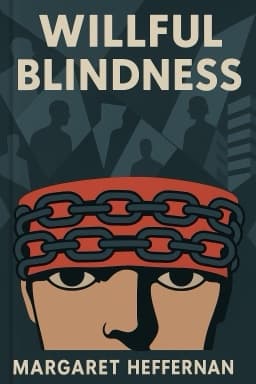
Insights drawn from 'Willful Blindness' by Margaret Heffernan and cognitive science research 1 , 4 .
Want to explore more insights from this book?
Read the full book summary