
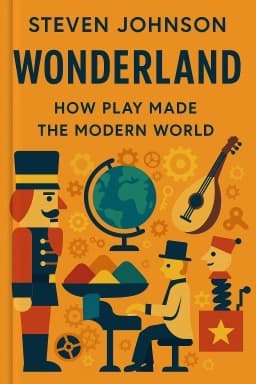
From Automata to Video Games: The Playful Roots of Technology
Trace the evolution of mechanical marvels and games that laid the foundation for modern computing and interactive entertainment.

Long before digital computers, mechanical automata fascinated audiences with lifelike movements and sounds. These programmable machines, such as mechanical musicians and writing dolls, combined artistry with engineering and foreshadowed modern robotics. Their intricate gears and pinned cylinders encoded sequences of motion, delighting viewers and inspiring inventors.
Fast forward to the mid-20th century, where programmers created Spacewar!, one of the first digital video games, on mainframe computers. This playful experiment demonstrated the potential of interactive computing and opened the door to a new form of entertainment and technological development.
Games have always been more than pastimes; medieval chess symbolized social order, while early digital games fostered innovation and experimentation. Public spaces like taverns and coffeehouses became hubs where games and ideas mingled, fueling social and political change.
This history reveals that play is a powerful driver of creativity and progress, reminding us to embrace joy and curiosity in our technological pursuits.
References: 1 , 2
Want to explore more insights from this book?
Read the full book summary