
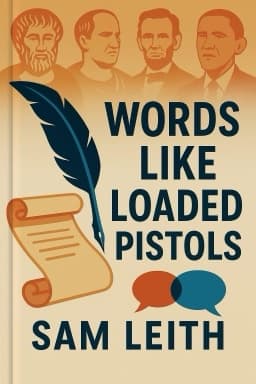
From Devil’s Advocate to Heroic Orator: The Dark and Light Sides of Rhetoric Revealed!
Explore the fascinating dual nature of rhetoric through literary and historical examples that reveal its power to both deceive and inspire.

Rhetoric is a double-edged sword. It can uplift and inspire or deceive and manipulate. This dual nature is vividly illustrated by the figure of Satan in classic literature, the ultimate silver-tongued devil whose eloquence seduces and confounds. His speeches are masterclasses in ambiguity and charm, showing how rhetoric can enchant even when the message is dangerous.
But rhetoric itself is morally neutral. Its ethical value depends on the speaker’s intent and the audience’s discernment. Throughout history, great orators have walked this fine line. Some used rhetoric to challenge injustice and promote truth, while others exploited it to consolidate power or spread falsehoods.
Consider the fiery speeches that sparked revolutions, fueled social movements, or defended human rights. These are examples of rhetoric’s heroic potential. Conversely, propaganda and demagoguery reveal rhetoric’s darker side, where persuasion becomes manipulation.
This ethical ambiguity calls for responsibility. Speakers must wield rhetoric with care, aiming to inform and empower rather than deceive. Audiences, meanwhile, benefit from critical thinking and awareness of rhetorical techniques to resist manipulation.
By understanding rhetoric’s power and pitfalls, we become better communicators and more discerning listeners, capable of harnessing words for good.
Sources: MindSpun.com on clickbait titles and SEO strategies, TheSarkyType.com on writing SEO-friendly blogs, CoSchedule.com headline formulas, DigitalAuthority.me blog ideas 1 2 3 4
Want to explore more insights from this book?
Read the full book summary