
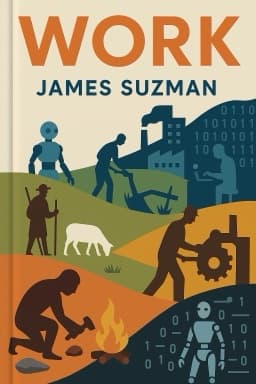
From Fields to Factories: How Agriculture and Industry Changed Everything
The Transformations That Made Work Harder, Not Easier

The Transformations That Made Work Harder, Not Easier
Why did the invention of farming make life harder for most people? In Work, James Suzman shows that the agricultural revolution, often celebrated for its progress, actually increased the burden of labor for ordinary people. Early farmers worked longer hours than hunter-gatherers, faced more frequent famines, and suffered from poorer diets. With the ability to store food came the rise of surplus—and with surplus, social hierarchies and inequality. Leaders emerged, wealth was accumulated, and permanent settlements grew into towns and cities.
The industrial revolution accelerated these trends. Factories demanded regimentation, long hours, and repetitive tasks. For the first time, people began to define themselves by their jobs—'I am a weaver,' 'I am a machinist.' Anxiety about automation and job loss surfaced, a theme that echoes in today’s debates about AI and robotics.
Suzman’s analysis, supported by economic and historical research, reveals that each revolution in work has brought both gains and losses. While productivity and wealth increased, so did inequality, alienation, and the sense that work was something to be endured rather than enjoyed. Understanding these dynamics is crucial for building fairer, more meaningful systems of work in the future.
References: Suzman, J. (2021); reviews and summaries from Beshara Magazine, Amazon, and SoBrief.
Want to explore more insights from this book?
Read the full book summary